
Heating a Long Island home through a full winter is one of the biggest seasonal expenses most families face. The good news: a handful of practical steps can meaningfully cut your heating bills without leaving you cold. Here is how to save.
1. Schedule an Annual Tune-Up
A clean, correctly tuned system burns less fuel. An annual boiler tune-up or burner maintenance can restore lost efficiency, prevent breakdowns, and keep your fuel use down all season.
2. Tighten Up Your Thermostat
Lowering your thermostat a few degrees when you sleep or leave the house adds up over a winter. A programmable or smart thermostat makes those setbacks automatic, so you save without thinking about it.
3. Seal and Insulate
Heat lost through gaps and poor insulation is fuel wasted. Sealing drafty windows and doors, and improving attic and basement insulation, reduces how hard your system has to work and how much oil it uses.
4. Use Automatic Delivery and Budget Plans
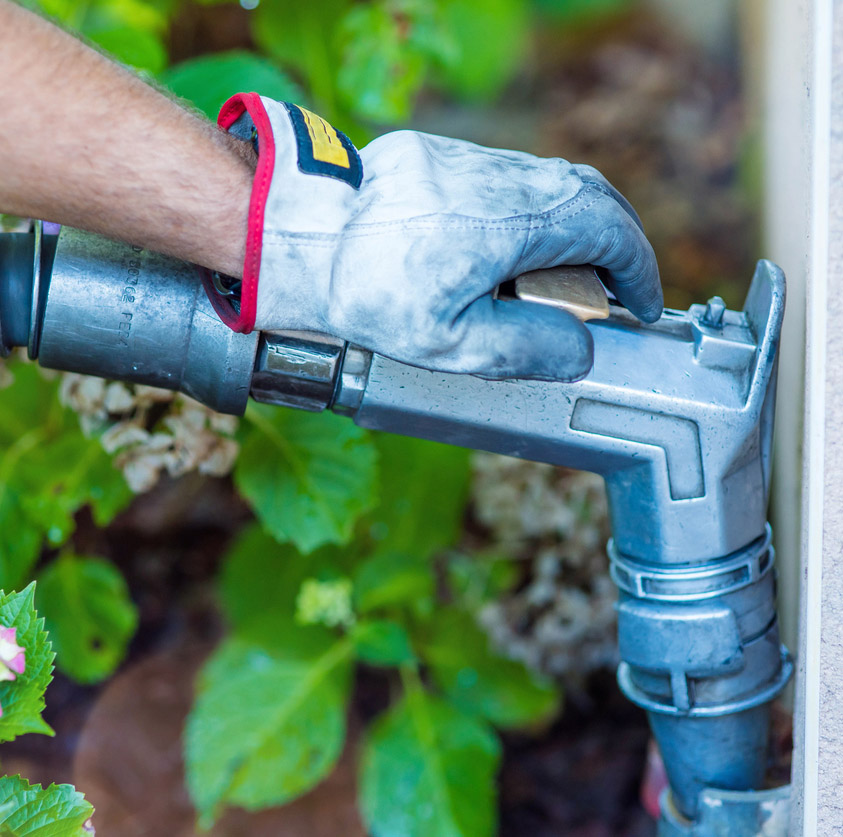
Automatic delivery tops you up before you run low, which avoids emergency fills and helps you take advantage of better pricing. Budget and pre-buy plans spread costs evenly across the year so winter does not hit all at once.
5. Upgrade Aging Equipment
If your boiler or furnace is more than 15 years old, a high-efficiency replacement can cut fuel use significantly. Explore equipment installation and ask about financing to spread the cost.
6. Check If You Qualify for Assistance
Long Island households that meet income guidelines may qualify for help with heating costs through programs like HEAP. See our HEAP assistance guide to learn how to apply.
Save More with Domino Fuel
From efficient oil delivery to expert tune-ups and high-efficiency upgrades, Domino Fuel helps Long Island homeowners stay warm for less. Contact us or call (631) 779-3196 to get started.
FAQs
What is the easiest way to lower my heating bill?
Start with an annual tune-up and a programmable thermostat. A tuned system burns less fuel, and automatic setbacks cut waste when you are asleep or away, two low-effort changes with real savings.
Does an annual tune-up really save money?
Yes. A clean, correctly adjusted system runs more efficiently and uses less fuel, so a tune-up often pays for part or all of its cost in lower bills, while also preventing expensive breakdowns.